The U.S. housing market began 2026 with a notable slowdown in home sales, reflecting ongoing affordability pressures and limited inventory. Data from real estate organizations shows that existing home sales fell sharply at the start of the year. The drop highlights the continuing imbalance between supply and demand in the residential real estate market.
According to housing market data, existing home sales declined by more than eight percent in January. The annualized pace of sales fell to just under four million units, marking the lowest level in more than two years. The slowdown signals that many buyers remain cautious about entering the market despite strong demand for housing.
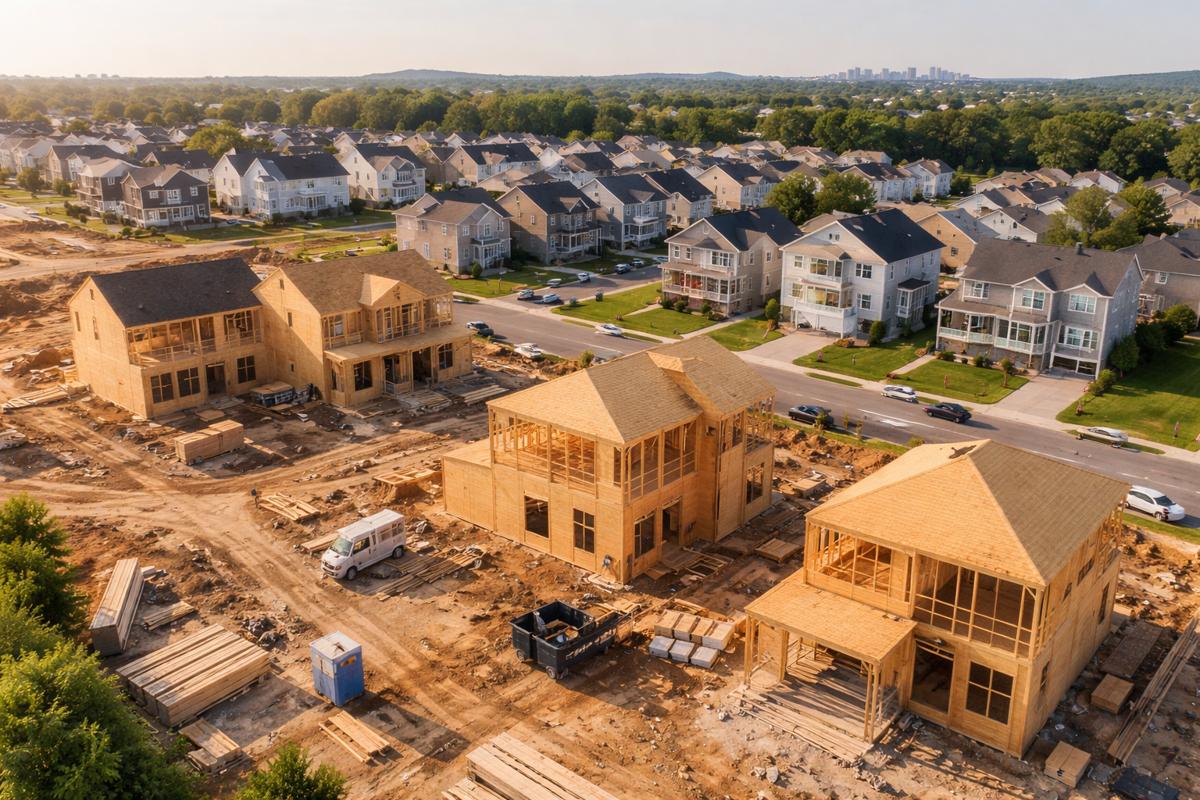
One of the key factors behind the slowdown is the limited number of homes available for sale. Housing inventory has remained tight across many regions of the country. With fewer properties on the market, buyers have fewer options and may postpone purchasing until conditions improve.
Home prices have continued to rise even as sales volumes decline. The median price of an existing home increased slightly year over year, reflecting the ongoing shortage of available properties. For many buyers, higher prices combined with mortgage rates make purchasing a home financially challenging.
Economists say the housing market is experiencing what some call the “lock-in effect.” Homeowners who secured low mortgage rates several years ago are reluctant to sell their homes and move into new mortgages with higher interest rates. As a result, fewer homes are entering the market, keeping inventory levels low.
First-time buyers remain an important but limited segment of the market. While their share of home purchases increased slightly in early 2026, it still falls short of the level typically associated with a healthy housing market. Many younger buyers continue to face financial barriers when trying to purchase their first home.
Despite the decline in sales activity, some economists remain cautiously optimistic about the housing market’s long-term outlook. Wage growth has helped offset some of the effects of rising home prices. Additionally, mortgage rates have shown signs of stabilizing compared with earlier periods of volatility.
Real estate professionals say buyers who remain active in the market must be prepared for competition. Obtaining mortgage pre-approval and acting quickly when desirable properties become available are essential strategies in today’s environment. Sellers, meanwhile, may benefit from strong pricing conditions despite slower transaction volumes.
Housing analysts expect the market to remain relatively constrained throughout the year. Until inventory increases significantly, the housing market will likely continue experiencing modest sales activity alongside high home prices.
Sources
https://www.reuters.com/business/us-existing-home-sales-drop-more-than-two-year-low-january-2026-02-12/
https://www.investopedia.com/the-housing-shortage-got-worse-in-2025-11918189